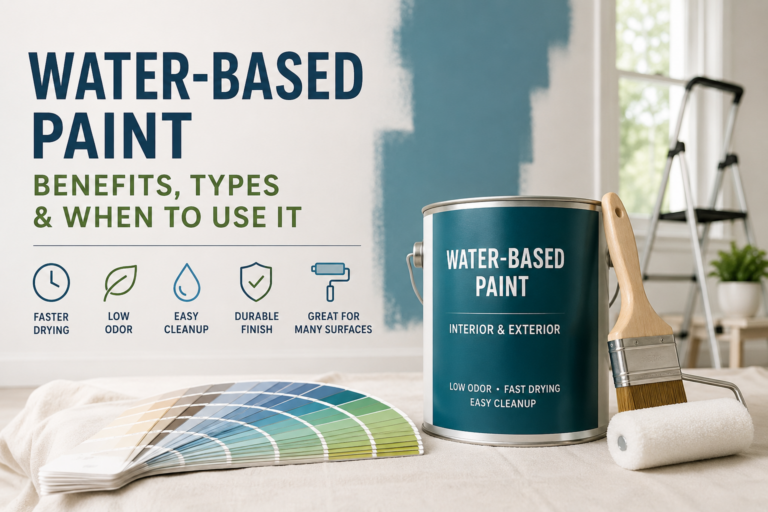

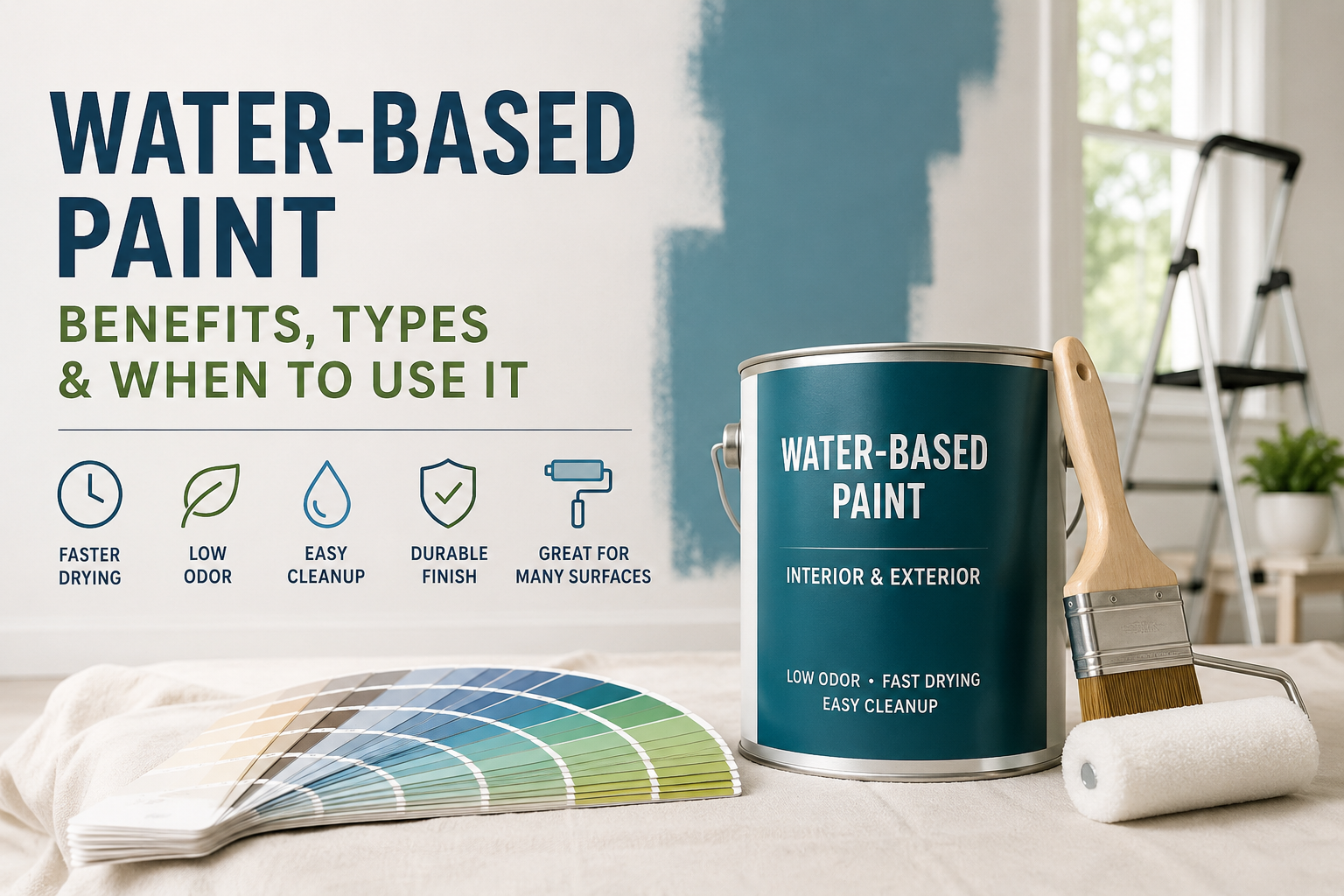
Choosing the correct paint with the help of a skilled professional painting company can create a huge difference in the appearance, durability, and maintenance of your home. Water-based paint has become a best choice for many interior and exterior painting projects because it dries quickly, produces less odor, and is simple to clean up. However, understanding its multiple types and getting familiar with where to apply it can help you get better, longer-lasting outcomes.
Whether you are refreshing a bedroom, updating kitchen cabinets, or planning an exterior project, selecting the right paint for the surface and environment is essential.
What Is Water-Based Paint?
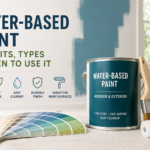
Water-based paint uses water as its primary solvent. Unlike conventional oil-based paints, it does not rely heavily on petroleum-based solvents, which assists reduce strong odors and makes cleanup much easier.
Most modern water-based paints contain pigments, binders, additives, and water. As the paint dries, the water evaporates and left behind a protective film of color and binder on the surface.
These paints are commonly applies on walls, ceilings, trim, wood, masonry, and many other properly prepared surfaces. Their versatility makes them a ideal choice for a huge range of residential painting projects.
Types of Water-Based Paint
Not all water-based paints are the similar. The two most common options are latex and acrylic paint.
Latex Paint
Latex paint is largely used for interior walls and ceilings. It is generally convenient to apply, dries relatively rapidly, and gives good coverage.
Latex paint can be an best choice for:
- Interior walls
- Ceilings
- Drywall
- Large residential spaces
- Low- to moderate-wear surfaces
It is also easier to clean up than oil-based alternatives since soap and water are usually enough to wash brushes, rollers, and other painting tools.
Acrylic Paint
Acrylic paint generally contains a higher amount of acrylic resin, which can improve adhesion, flexibility, and durability. It is usually a best choice for surfaces exposed to evolving temperatures, moisture, or frequent use.
Acrylic-based coatings might be perfect for:
- Exterior surfaces
- Trim and doors
- Cabinets
- Outdoor woodwork
- High-traffic areas
The best option relies on the paticular surface, location, and situations the painted area will face.
Key Benefits of Water-Based Paint
There are several reasons homeowners and professional painters rapidly choose water-based coatings
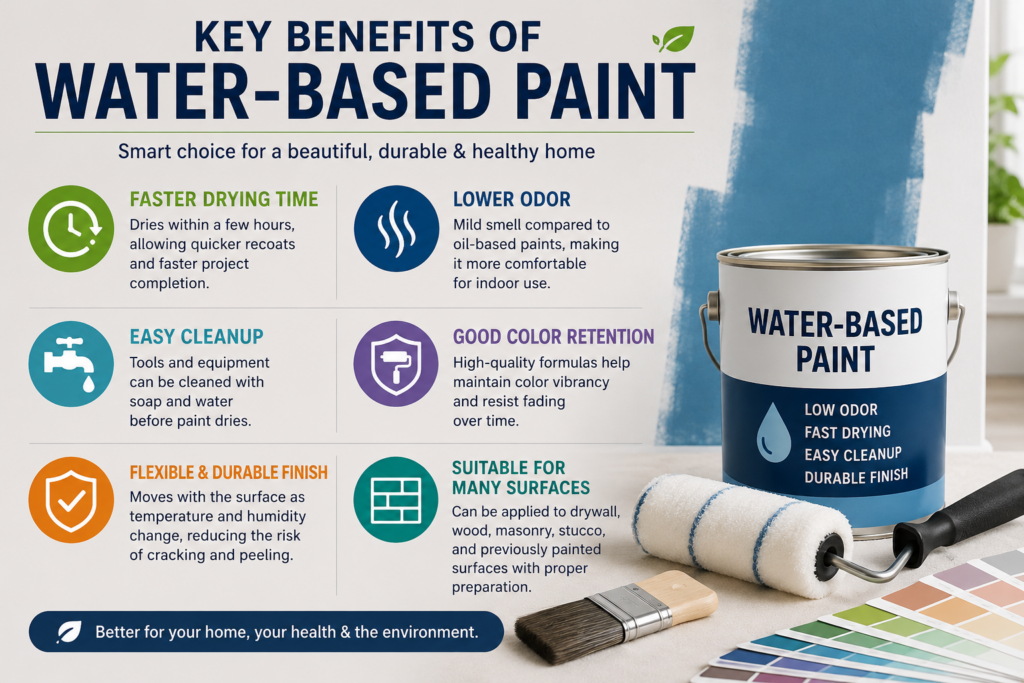
Faster Drying Time
One of the huge advantages is the relatively fast drying time. Many products dry within a few hours, letting painters to apply extra coats sooner and fulfill projects more conveniently.
This can be specifically valubale when you need to minimize disruption inside your home.
Lower Odor
Oil-based products usually produce strong odors as of the solvents they possess. Water-based alternatives typically have a much milder smell, making them more easily to use indoors.
Good ventilation is still crucial during any painting project, but lower-odor products can creates the entire experience more pleasant.
Easy Cleanup
Cleaning painting tools does not have to be complicated. Brushes, rollers, and other equipment used with most water-based products can often be cleaned with soap and water before the paint dries.
This saves time and eliminates the requirement for stronger cleaning solvents in many conditions.
Good Color Retention
Quality water-based coatings can help painted surfaces maintain their color over the passage of time. They are usually designed to resist fading and discoloration, especially when the correct product is picked for the environment.
Flexible and Durable Finish
As temperatures and humidity levels evolves, some surfaces naturally enlarge and contract. Water-based coatings can usually flexibility that helps the finish move with the surface and lowers the risk of cracking or peeling.
Suitable for Many Surfaces
With proper preparation and the appropriate primer, these paints can be applied on a variety of materials, involving drywall, wood, masonry, stucco, and certain painted surfaces.
Are There Any Disadvantages?
Although water-based coatings usually many benefits, they are not the perfect solution for every project.
Some surfaces needs careful preparation as poor adhesion can take places on glossy finishes, raw metal, or improperly cleaned areas. Unprimed wood might also absorb moisture and raise its grain.
Temperature and weather situations can impacts application and drying as well. Painting in excessively cold, damp, or uncertain conditions might affect the final result.
For this purpose, choosing the right product is only part of the process. Proper surface preparation, application technique, and environmental situations are similarly important.
Water-Based vs. Oil-Based Paint
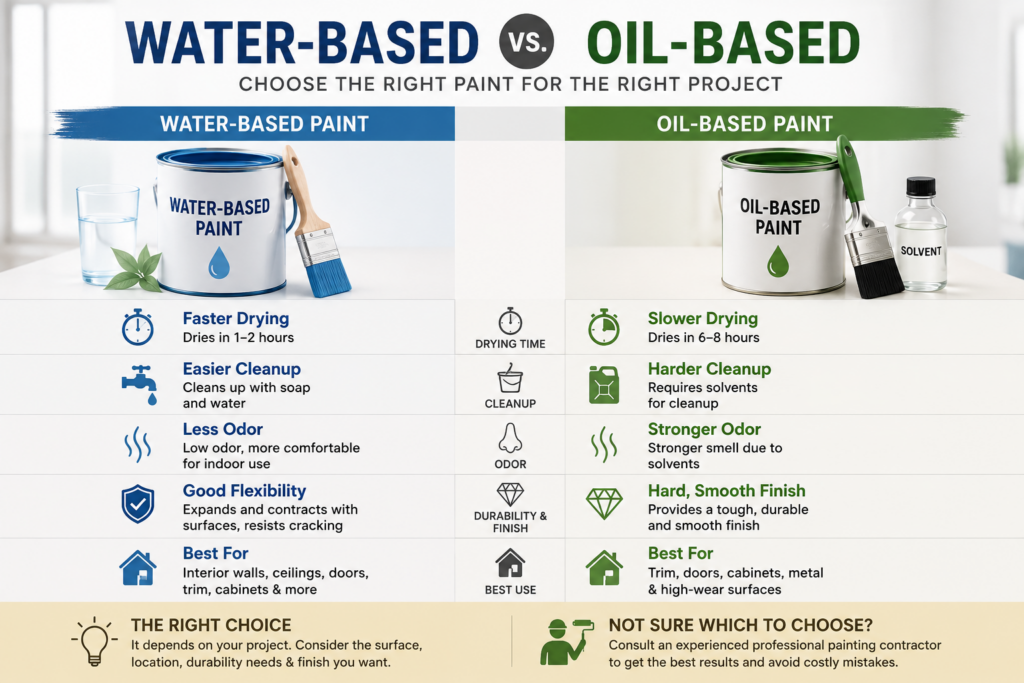
Both water-based and oil-based paints have advantages, but they acts differently.
Water-based options generally provides:
- Faster drying
- Easier cleanup
- Less odor
- Good flexibility
- Convenient application for many interior projects
Oil-based options might gives benefits for certain applications that need a particularly hard, smooth finish. However, they typically took longer to dry and needs solvents for cleanup.
The right choice relies on what you are painting. Doors, trim, cabinets, walls, and exterior surfaces might all have different requirements. If you are not sure which product will gives the best results, working with an experienced professional painting contractor can let you avoid mistakes.
Where Should You Use Water-Based Paint?
Water-based products work best in many areas of the home when the correct coating is choosen
Interior Walls and Ceilings
These are among the most common applications. Latex-based wall paint is simple to work with, gives attractive coverage, and lets rooms to return to use relatively quickly.
Bedrooms
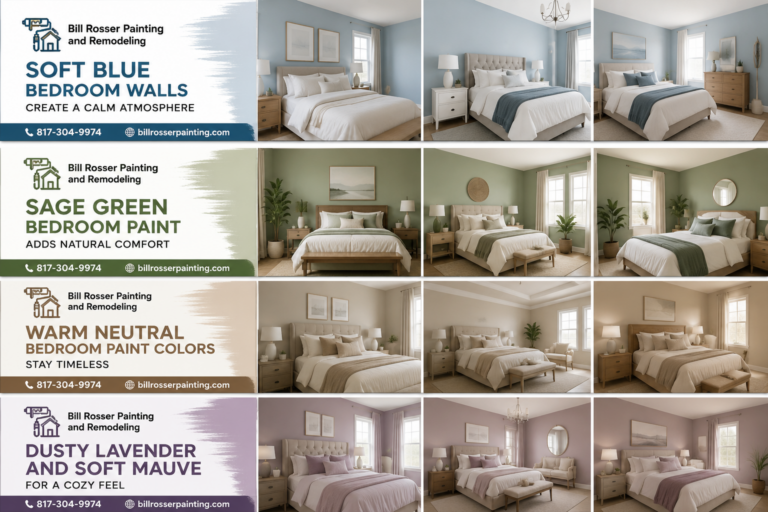
Bedrooms are best spaces for low-odor, fast-drying paint. If you are planning a bedroom update, your color selection concerned just as much as the type of coating you choose. Consider these bedroom paint colors that can help you relax and sleep better when preparing your upcoming project.
Trim, Doors, and Cabinets
Durable acrylic formulations can be a best option for surfaces that experience regular contact and wear. However, preparation is critical for geeting a smooth and long-lasting finish.
Exterior Surfaces
Certain acrylic-based paints perform well outdoors as they can gives strong adhesion, flexibility, and resistance to evolving weather conditions. Always choose a product particularly formulated for exterior use.
How to Prepare a Surface Before Painting
Even the best paint cannot compensate for poor preparation. Before applying a new coating, take time to review and prepare the surface.
begin by removing dirt, dust, grease, and loose material. Repair cracks, holes, and damaged areas where necessary. Sand rough surfaces and remove loose or peeling paint.
Priming might also be necessary, especially when painting bare wood, repaired drywall, stained surfaces, or stuff with adhesion challenges.
Proper preparation makes a cleaner foundation and helps the new finish look more even and last longer
How to Apply Water-Based Paint Properly
Applying the correct technique can largely improve the appearance of your finished project.
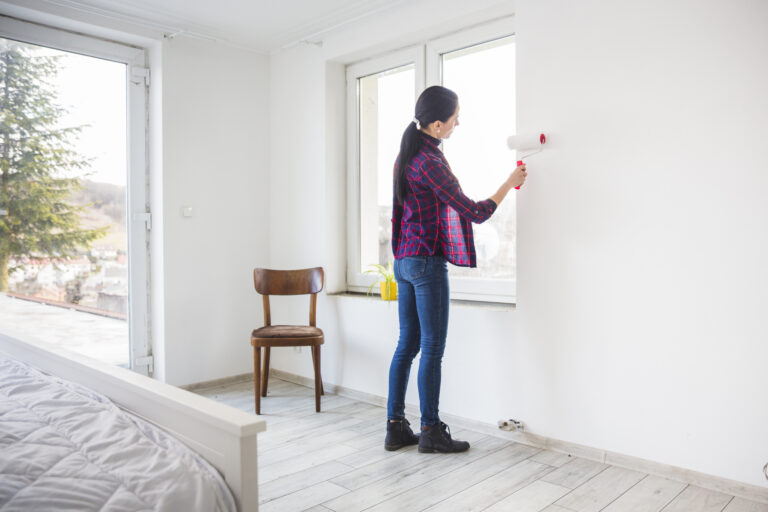
First, choose quality brushes and rollers that are appropriate for the type of paint and surface. Apply the coating evenly instead of trying to apply excessive paint in a single coat.
Allow adequate drying time between coats according to the manufacturer’s instructions. Avoid painting when temperatures or humidity levels fall outside the suggested range.
Good technique also helps lowers visible brush marks, roller lines, and uneven coverage.
For larger projects or surfaces that need in-depth preparation, the expertise of a reliable residential painting company can make the procedure simpler while helping ensure a professional-looking finish.
How Long Does Water-Based Paint Take to Dry?
Drying times vary depending on the product, surface, temperature, humidity, and ventilation. Many water-based paints become dry to the touch within a few hours, while recoating might be possible after the manufacturer’s suggested drying period.
However, dry to the touch does not always mean fully cured. Paint might continue hardening for days or longer after application.
Always check the product label for particular drying and recoating instructions instead of relying on a general timeframe.
How to Choose the Right Paint for Your Project
Before buying paint, consider the following:
- Surface: What material are you painting?
- Location: Is the surface indoors or outdoors?
- Durability: Will the area experience frequent contact or wear?
- Moisture: Will the surface be exposed to humidity or water?
- Finish: Do you need a flat, satin, semi-gloss, or gloss appearance?
- Preparation: Does the surface require cleaning, sanding, or primer?
A high-quality water-based paint choosen specifically for your project can gives excellent coverage, appearance, and long-term performance. Taking time to match the product to the surface is one of the ideal ways to get a finish you will be satisfy with.
Get Professional Help for Your Painting Project
Choosing paint might seem simple, but factors like surface condition, preparation, finish, and application can all impacts the final result. A professional painter can evaluate your project and gives the right approach for your home’s specific needs.
From selecting suitable products to preparing surfaces and using an even finish, professional service can help save time and gives a result built to last. Whether you are updating a single room or planning a larger interior or exterior project, the correct preparation and painting expertise can creates all the difference.
FAQs - Water-Based Paint
Is water-based paint better than oil-based paint?
Neither option is automatically better for every project. Water-based paint offers faster drying, easier cleanup, and lower odor, while oil-based paint may be preferred for certain surfaces and finishes.
Can water-based paint be used over old oil-based paint?
Sometimes, but proper surface preparation and the right primer may be required. Always check the manufacturer’s recommendations before applying a new coating over an existing oil-based finish.
How long does water-based paint last?
Its lifespan depends on the quality of the product, surface preparation, application, and environmental conditions. A properly applied, high-quality coating can provide years of attractive performance.
Do I need to use primer before water-based paint?
Primer is not always required, but it can be important for bare surfaces, stains, repairs, dramatic color changes, and surfaces where adhesion may be a concern.
Is water-based paint safe to use indoors?
Many water-based paints are commonly used indoors because they generally have lower odor and are easy to clean up. Follow the manufacturer’s safety instructions and ensure proper ventilation during application.
Conclusion
Water-based paint is a practical choice for many interior and exterior projects, offering fast drying, easy cleanup, lower odor, and reliable durability. By choosing the right type of paint and properly preparing the surface, you can achieve a smooth, attractive finish that lasts.
Whether you are painting a single room, refreshing cabinets, or updating exterior surfaces, understanding the benefits and best uses of water-based paint can help you make the right decision. For professional guidance and a high-quality finish, working with experienced painters can make your project easier and deliver lasting results.