

Your bedroom should be the most relaxing space in your home. It’s where you end your day, clear your mind, and recharge for the next day. While furniture, lighting, and décor all play a role in comfort, wall color has one of the biggest impacts on your mood and sleep quality. The right paint color can make your bedroom feel calm, peaceful, and cozy, while the wrong color can make the room feel stressful, dark, or uncomfortable.
In this blog, we’ll explore the best bedroom paint colors that help you relax and sleep better, along with tips on how to choose the right shade for your space.
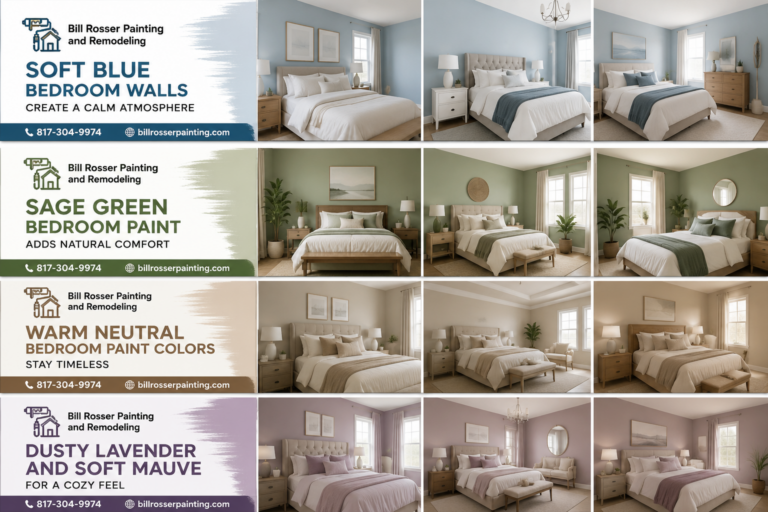
Soft Blue: The Most Relaxing Bedroom Color
Soft blue is widely considered one of the best colors for bedrooms because it creates a calm and peaceful environment. Blue is associated with the sky and water, which naturally makes people feel relaxed and comfortable. Light blue shades can help reduce stress and create a cool, airy feeling in the room, making it easier for your mind to unwind before sleep.
If you want your bedroom to feel fresh and peaceful, shades like sky blue, powder blue, or light navy work very well. Blue also pairs nicely with white furniture, wooden textures, and soft lighting, which further enhances the relaxing atmosphere. However, it’s best to avoid very dark blue if your room is small, as it can make the space feel smaller and darker.
Gentle Green: A Natural and Balanced Choice
Green is another excellent color for bedrooms because it represents nature, balance, and harmony. Being surrounded by green tones can make a room feel calm and refreshing, similar to being outdoors. Green is also very easy on the eyes, which helps reduce visual stress and creates a soothing environment for relaxation.
Soft shades like sage green, olive green, and moss green are perfect for bedrooms. These colors work especially well with natural materials like wood, plants, and neutral fabrics. A green bedroom often feels peaceful, balanced, and comfortable, making it a great choice for people who want a relaxing and natural-looking space.
Warm Neutrals: Cozy and Comfortable Bedroom Colors
Warm neutral colors such as beige, cream, taupe, and light brown are perfect for creating a cozy and comfortable bedroom. These colors are not too bright or too dark, which makes them ideal for a relaxing environment. Neutral colors also make a room feel clean, spacious, and timeless.
One of the biggest advantages of neutral colors is that they match almost any furniture and décor style. You can easily change your bedding, curtains, or furniture without needing to repaint the room. Warm neutrals also reflect light softly, which helps create a calm and cozy atmosphere, especially in the evening with warm lighting.
Soft Lavender: A Calm and Elegant Option
Lavender and soft purple tones are known for their calming and soothing effects. Lavender combines the calmness of blue with a slight warmth, which makes it both relaxing and comfortable. It’s a great option for people who want something different from the usual blues and neutrals but still want a peaceful bedroom environment.
Light lavender or dusty lilac shades can make a bedroom feel elegant, soft, and relaxing without being too colorful or overwhelming. These shades work well with white furniture, soft grey accents, and warm lighting. A lavender bedroom often feels calm, stylish, and slightly luxurious.
Soft Gray: Modern and Peaceful
Soft gray has become very popular in modern interior design, especially for bedrooms. Gray is a neutral color that creates a quiet and peaceful environment without being too warm or too cool. Light gray walls can make a bedroom feel modern, clean, and relaxing at the same time.
Warm gray or greige (a mix of gray and beige) is often the best option for bedrooms because it doesn’t feel too cold. Gray also works well with almost any accent color, including blue, green, white, or wooden furniture. If used correctly with proper lighting and décor, gray can create a very calm and elegant bedroom atmosphere.
Colors to Avoid in Bedrooms for Better Sleep
While many colors look beautiful, not all of them are suitable for bedrooms, especially if your goal is relaxation and better sleep. Bright and bold colors can be too stimulating for the brain and may make it harder to relax at night.
For example, bright red can increase energy levels and make the room feel intense. Bold orange and bright yellow can feel too energetic and distracting. Very dark colors like black or dark brown can make a room feel heavy and smaller if not balanced properly with lighting and décor. If you like bold colors, it’s better to use them as accent walls or in décor items rather than painting the entire room.
Tips for Choosing the Right Bedroom Paint Color
Before choosing a paint color, it’s important to consider a few practical factors. First, think about the size of your room. Light colors make small rooms look bigger, while darker colors can make large rooms feel cozier. Lighting is also very important because natural and artificial light can change how a color looks on the wall.
It’s always a good idea to test paint samples on your wall and see how they look during the day and at night. You should also consider your furniture and flooring so that everything matches well together. The goal is to create a space that feels calm, comfortable, and balanced.
Conclusion
Choosing the right bedroom paint color is very important because it directly affects how relaxed and comfortable you feel in your room. Soft blues, gentle greens, warm neutrals, lavender, and soft gray are some of the best colors for creating a peaceful and sleep-friendly environment.
Your bedroom should feel like a retreat from the outside world. The right paint color can transform your space into a calm and relaxing environment where you can rest properly and wake up feeling refreshed. When selecting a bedroom color, always choose shades that feel calm, soft, and comfortable rather than bright and overwhelming.